
Road trips with your dog can be some of the best experiences you share together. New smells, new places, a head out the window on a quiet country road — dogs are built for this kind of adventure. But a fun trip can turn stressful fast if you leave home unprepared.
The difference between a great dog road trip and a disaster usually comes down to packing. Not overpacking — you do not need to bring the entire pet store. Just the right things.
Here are the ten dog road trip essentials you should never leave home without.
1. A Proper Travel Crate or Car Harness
This is the most important item on the list, and the one most people skip. An unsecured dog in a moving car is a safety risk — for the dog, for you, and for other drivers. In a sudden stop or accident, an unrestrained dog becomes a projectile.
A crash-tested travel crate is the safest option. It should be large enough for your dog to stand, turn, and lie down comfortably, but snug enough that the dog is not thrown around inside it. Secure the crate with a seatbelt or cargo straps so it does not shift.
If a crate does not fit your car, a crash-tested harness that clips into the seatbelt system is the next best option. Avoid cheap harnesses that have not been tested — they often fail under force.
In several European countries, including the Netherlands and Germany, driving with an unsecured dog can result in a fine. Safety aside, it is often a legal requirement.
2. Water and a Collapsible Bowl
Dogs dehydrate faster than you might think, especially in warm weather or when they are anxious. Bring more water than you think you will need — at least a liter per dog for every few hours of driving.
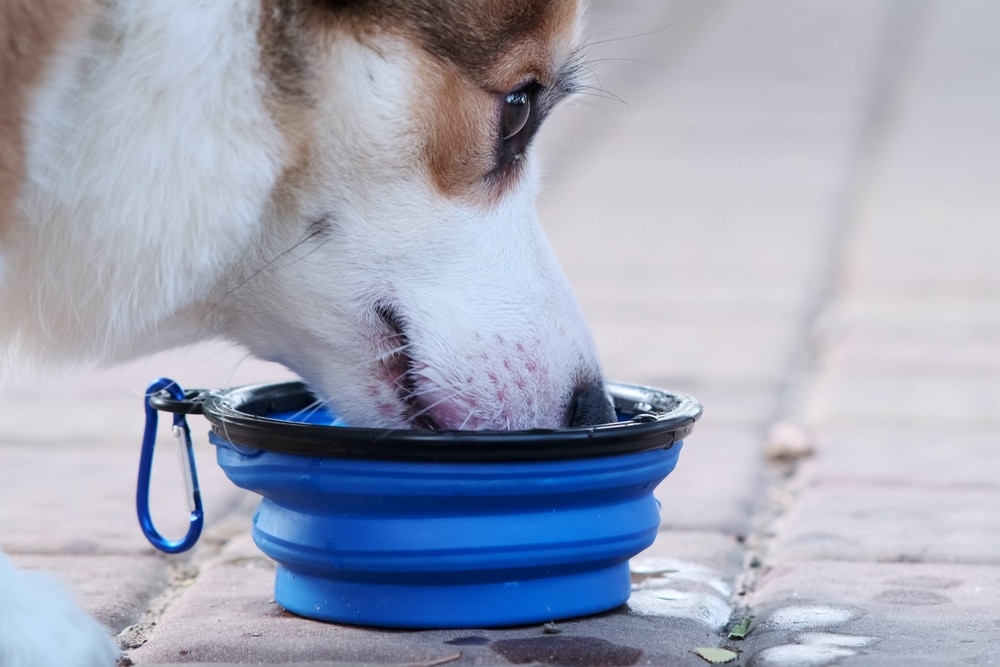
A collapsible silicone bowl takes up almost no space and is easy to pull out during rest stops. Offer water every time you stop, even if the dog does not seem thirsty. Do not rely on finding clean water sources along the way.
3. Their Regular Food and Treats
Pack enough of your dog’s normal food for the entire trip, plus a day or two extra in case of delays. This is not the time to try a new brand — unfamiliar food combined with travel stress is a recipe for stomach problems.
Portion the food into individual meals using resealable bags or small containers. It keeps things organized and prevents overfeeding at irregular times. Bring treats too — they are useful for rewarding calm behavior in the car and making rest stops more enjoyable.
4. A Leash and a Long Line
You will need a standard leash for rest stops, pet-friendly restaurants, and any place where your dog needs to stay close. A sturdy four to six foot leash is ideal.
A long line (five to ten meters) is worth packing as a second option. It gives your dog room to explore and stretch its legs at rest areas, parks, or campsites without being fully off-leash. This is especially useful if your dog’s recall is not yet reliable in unfamiliar environments.
Never let your dog off-leash at highway rest stops. No matter how well-trained the dog is, a strange environment near fast-moving traffic is not worth the risk.
5. Poop Bags (More Than You Think)
This sounds obvious, but running out of bags mid-trip is surprisingly common. Pack at least double what you would normally bring for the same number of days at home. Travel, new environments, and diet disruption can all affect your dog’s digestion, which means more frequent stops.
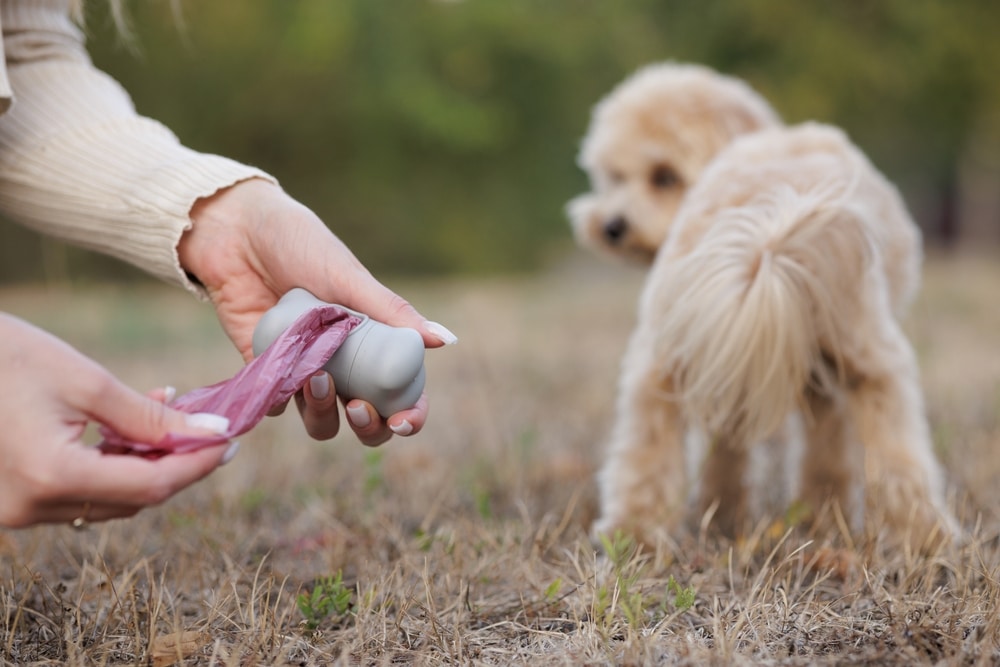
Bring a dedicated holder that clips to the leash so you always have bags accessible when you need them.
6. A Basic First Aid Kit
You do not need a full veterinary kit, but a few basics can save you a lot of stress if something goes wrong far from the nearest vet.
A good dog travel first aid kit includes:
- Gauze pads and a self-adhesive bandage wrap
- Antiseptic wipes or spray
- Tweezers (for ticks or splinters)
- A tick removal tool
- Saline solution for flushing eyes or wounds
- Any prescription medication your dog takes
- A copy of your dog’s vaccination records and your vet’s phone number
If you are traveling to a region where ticks are common — which is most of Europe from spring through autumn — check your dog thoroughly at the end of each day outdoors.
7. A Familiar Blanket or Bed
Dogs find comfort in familiar scents, and travel is disorienting for many of them. Bringing their regular blanket or a small travel bed gives them a piece of home in an unfamiliar environment.
It also protects car seats and hotel furniture from dirt and hair. A blanket that smells like home can make the difference between a dog that settles quickly in a new place and one that paces anxiously for hours.
8. Identification and Documentation
Make sure your dog’s collar has a visible ID tag with your phone number. If the collar comes off, a microchip is your backup — confirm that the chip is registered and that your contact details are up to date before you leave.
If you are traveling across borders within the EU, your dog needs a valid EU Pet Passport with an up-to-date rabies vaccination. Some countries have additional entry requirements, so check before you go.
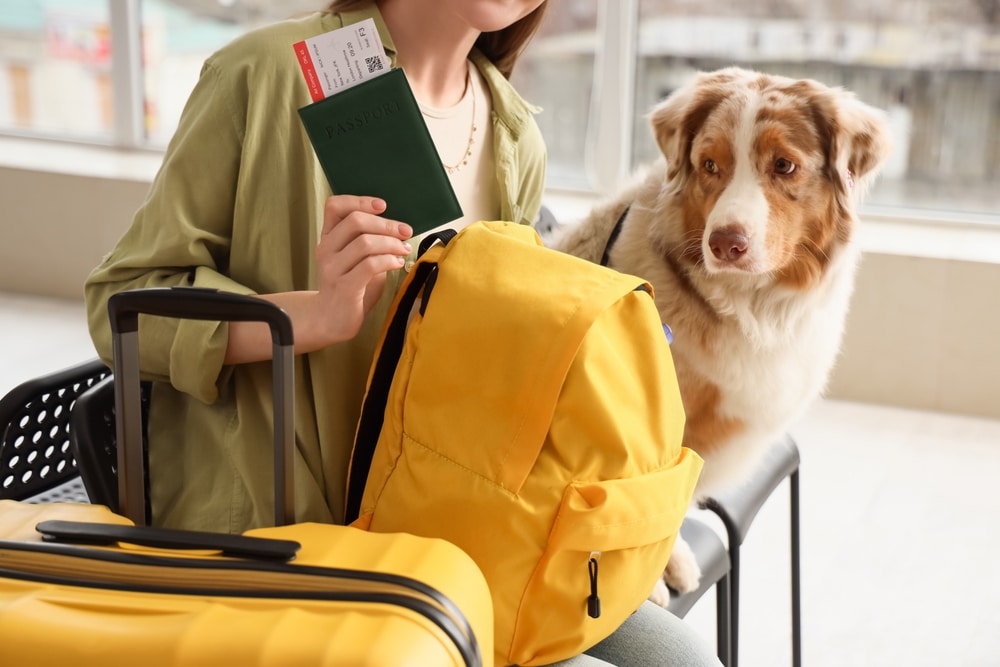
Even for domestic trips, carry a copy of your dog’s vaccination records and any health certificates. Some accommodations and campsites ask for proof of vaccination.
9. Cleaning Supplies
Dogs and road trips generate mess. It is inevitable. Pack a small kit of cleaning essentials so you are not caught off guard. Especially when you have a dog who sheds a lot.
The basics: a roll of paper towels, a small bottle of pet-safe stain and odor remover, a few old towels, and a lint roller. If your dog gets carsick — which is more common on winding roads or with nervous dogs — having cleanup supplies within reach makes the situation manageable rather than catastrophic.
A waterproof seat cover is also worth investing in. It protects your car’s interior from dirt, water, and hair, and most are machine-washable when you get home.
10. A Plan for Rest Stops
This is not something you pack, but it is something you should prepare before you leave. Dogs need a break from the car every two to three hours at minimum — to stretch, relieve themselves, drink water, and decompress.
Plan your route with rest stops in mind. Look for locations with grassy areas where your dog can walk and sniff, not just a concrete parking lot. Many highway rest areas in the Netherlands, Germany, and France have designated dog areas.
During stops, give your dog at least ten to fifteen minutes out of the car. A quick two-minute toilet break is not enough. They need time to move, explore, and reset before getting back in.
In warm weather, never leave your dog in a parked car — not even with the windows cracked, not even for five minutes. Car interiors heat up dangerously fast and dogs cannot regulate their body temperature the way humans can.
Before You Go: A Quick Dog Road Trip Essentials Checklist
- Crate or harness secured in the car
- Water bottle and collapsible bowl
- Portioned food and treats
- Standard leash and long line
- Poop bags (extra)
- First aid kit with medications and vet contact
- Familiar blanket or bed
- ID tag, microchip details, and documentation
- Cleaning supplies and seat cover
- Rest stops mapped along your route
Get these ten things sorted before you leave, and you will handle whatever the road throws at you. Your dog does not need luxury — just safety, comfort, and a human who planned ahead.
Comments 3